Podcast: Navigating Rare and Chronic Conditions with Creativity and Grace (Part 2)
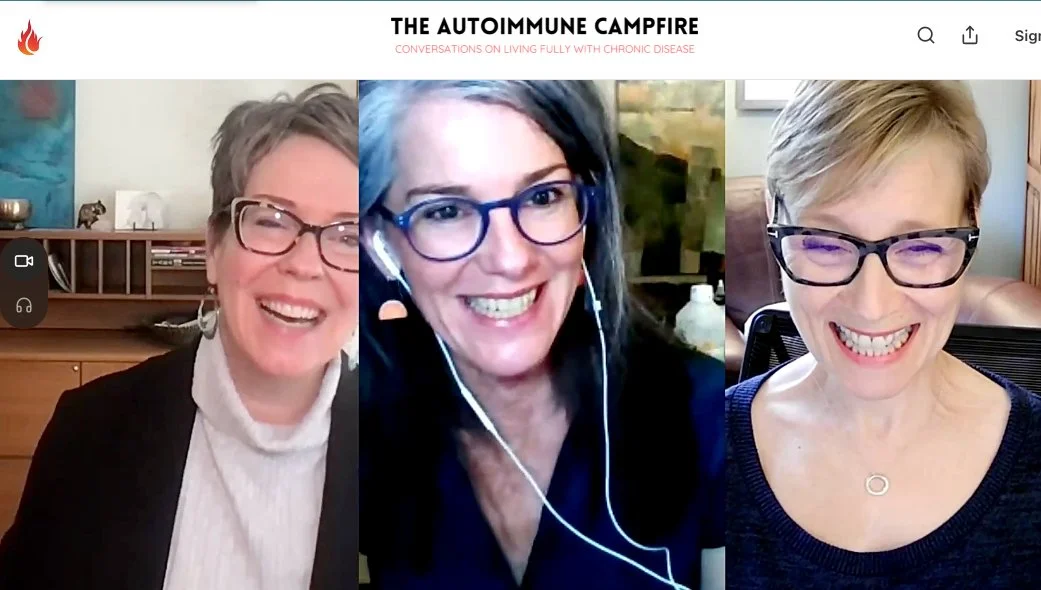
Part 2 of my podcast conversation with Helen Samson Mullen and Nona Jordan from the Autoimmune Campfire is now available. If you missed Part 1, I suggest you start with that first.
In Part 2 of our conversation, I share:
the practices that sustain me through the hardest days and enrich my daily life with more presence, connection, and delight.
all about my “delight practice”… how I developed this practice, what it does for me, why it works so well, and how you can benefit from this quick, easy, cheap, and rewarding practice too.
the value of creativity for expression, de-stressing, developing insight, and emotional healing.
the thoughts and cultural ideas to watch out for and banish from your creative time if you want to ensure that creating feels calming and healing rather than stressful, disappointing, difficult, or scary!
the advice I’d give to myself if I could go back to those early days when chronic illness and disability first entered my life.
the ideas and practices that have helped me to befriend - and even grow to love (most days!) - my body, just as it is, with all of it’s special needs, physical discomforts, losses, complexities, and uncertainties.
the experience that’s made the greatest difference to my quality of life and wellness …and why everyone needs this in their lives.
what we all need most - whether healthy or sick, abled or disabled - if we’re going to create a world where we all thrive.
You can watch our conversation here or listen to it on your favourite podcast player.
Curious about the Delight Practice?
You can see some of the small collage creations I made when I first started the Delight Practice here.
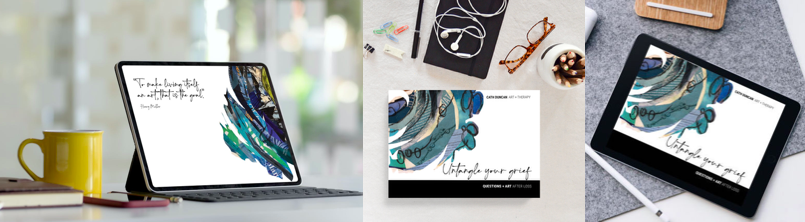
And you can learn more about the Delight Practice in my book, Untangle Your Grief, which also offers a guided creative process for exploring and transforming grief experiences that are tricky because they are invisible, chronic, complex, multiple, ongoing, high-stigma, or ambiguous.